
Determining how much water plants need to grow is really important for taking care of plants. This guide is going to tell you about the basics of watering plants. We will talk about how water plants need every day and what different plants need. We will help you learn how to water your plants so they stay healthy all year.
How water does a plant need per day
There is no simple answer, to this question because every plant is different and needs a different amount of water. One way to figure it out is to use about 5 to 10 percent of the water that the pot can hold. For example if you have a pot that holds 10 litres of water you will probably need to give it about 0.5 to 1 litre of water each time you water it.
Key factors that influence plant water needs
To figure out how water your plants need you have to look at a few things. The type of plant the size of the pot, the temperature and the humidity all play a role in how water your plants require. If you want your plants to be healthy you need to pay attention to these things and adjust your watering schedule accordingly.
- Plant species is important. Some plants like succulents do not need a lot of water. You can water them every 2 or 3 weeks.. Other plants like tropical plants need more water. You should water them every 5 to 7 days when it is summer.
- The size and material of the pot also matters. Terracotta pots dry out faster than pots. So you should choose a pot that's a little bigger than the roots of your plant. This will help keep the soil from getting too dry.
- The amount of light and humidity in the air also affects how water your plants need. If your plants are in an dry place they will need more water. You should adjust your watering schedule to fit the needs of your plants.
Mature plants need water than young plants. This is because they have roots and can hold more water. Larger pots also hold water so you do not need to water as often.
Practical benchmarks for daily and weekly water amounts
If the soil is dry you can give your plants a bit of water every day. One tablespoon of water per day is a good amount.. You should adjust this based on the season. In the summer your plants may need water but in the winter they need less.
It is also an idea to water your plants deeply every now and then. This helps the roots grow strong and deep. This way your plants can survive when there is not a lot of water.
Here is a rough guide to follow:
Season. Watering frequency. Water amount
Summer. Every 5 to 7 days. 0.5 To 1 litre
Winter. Every 10 to 14 days. 0.3 To 0.6 litre
Spring and Autumn. Every 7 to 10 days. 0.5 To 0.8 litre
You should always check the soil to make sure it is not too dry or too wet. In the months you should water less often. This is because the water does not evaporate quickly.
How plant size and age affect water demand
Young plants need frequent watering. This is because they do not have roots yet. They need the soil to be moist near the surface.. Mature plants have deeper roots and can get water from deeper in the soil. So they need frequent watering.
If you have a plant in a small pot you can mist it regularly to keep the soil moist.. As it gets bigger you should water it more deeply. Just make sure the pot drains well so the roots do not rot.
How to check if your plant needs water
The way to check if your plant needs water is to stick your finger in the soil. If the soil feels dry it is time, to water. If it feels damp you can wait a bit longer. This is a way to make sure you are not overwatering or underwatering your plants.
Simple soil moisture tests any gardener can do
When you touch soil it will feel cool and somewhat heavy. On the hand dry soil is typically lighter and falls apart easily. These signs are really good for figuring out if the soil has moisture without needing any special tools. Always check the layer of soil first but make sure to dig a little deeper to see what the rest of the root zone is like.
You can also look for signs to see if the soil is dry or wet. Pay attention to how the soil surface dries out after you water it. The top layer of soil will dry out the fastest. You need to check below the surface to see how much water is really available for your plant.
Recognising over-watering and under-watering signs
- To take care of your plants you need to know how much water they need. If you give them much or too little water it can hurt their growth. For example if the leaves are yellow or soft it means the soil has much water.. If the leaves are dry and droopy it means the plant needs more water. You need to fix these problems away so your plant can stay healthy.
- If you give your plant much water the leaves might turn yellow the soil will be constantly wet it will smell bad and the stems will be soft and mushy. All these signs mean the soil has much water, which can cause the roots to rot.
- If you do not give your plant water the leaves will be brittle and dry they will wilt the plant will not grow well and the leaves might even feel warm to the touch. These are all signs that the plant is not getting water.
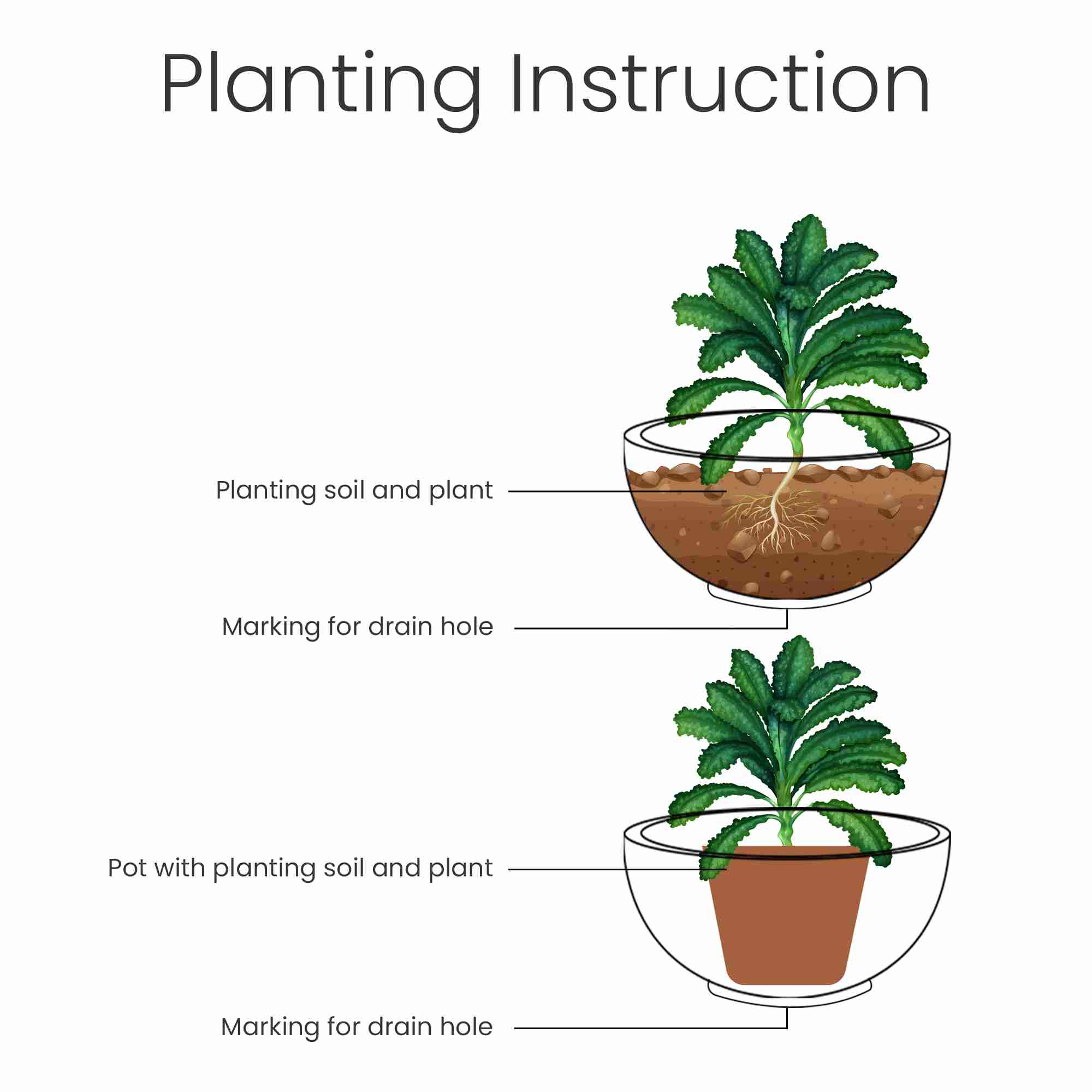
- You should also make sure the pot has drainage. Do not let the pot sit in a saucer of water because this can cause fungal problems and root decay. When you water your plant do it slowly at the base of the plant until you see water coming out of the bottom of the pot. Let the pot drain completely so the soil does not get too wet.
For precision you can use a digital moisture meter. These tools are not expensive. You can find them at most garden centres. They will give you a reading and help you eliminate any uncertainty when you are watering your plants.
Water needs by plant type. Growing conditions
There is no one way to water all plants because each type of plant needs a different amount of water. Some plants like succulents need little water while others, like ferns need the soil to be consistently moist. It is really important to water your plants according to their needs so they can thrive.
Species specific water requirements at a glance
Plants have different water requirements. So it is crucial for care to know what your plant needs. For example succulents store water in their leaves. Need very little water. On the hand many tropical plants need soil that is always damp to look healthy and grow well.
- Succulents and cacti: wait until the soil is completely dry water thoroughly every two to three weeks. Be careful because giving them much water is a common cause of root rot and can kill these plants.
- Plants that love humidity: ferns and peace lilies like their soil to stay moist all the time. Water them every days and mist their leaves regularly to make them feel like they are in their natural habitat.
- Big plants with lots of leaves: plants like pothos and monstera like to be watered when the top layer of soil feels dry. This usually happens once a week during their growing season.
When watering vegetables it is important to keep the soil moist all the time. If the soil is not moist, lettuce and chard can become bitter. For root vegetables it is best to water them before the soil gets too dry to prevent the roots from splitting.
How the environment affects how much water plants need
Light has an impact on how much water plants need. If a plant is in an sunny spot it will need more water because it loses more water through its leaves. Plants in light areas lose less water and need less irrigation.
Air that is too dry from air conditioning can also make the soil dry out faster. Temperature is also important for plant care. Warm temperatures make plants lose water while cooler temperatures make them absorb water more slowly.
Tips for saving water when taking care of plants
Putting a layer of mulch around your plants is a good way to reduce moisture loss. This can cut down on how you need to water your plants by up to 30%. Adding compost to the soil also helps it retain water in sandy soil.
Collecting rainwater is an sustainable way to water your plants. Mixing compost into the soil before planting helps the soil hold water better. This helps plants grow steadily and healthily throughout the growing season.
The guide for watering plants recommends checking the drainage of a pot before choosing it. Pots with drainage are important for preventing root rot. A good pot can help keep your plants healthy and balanced all year round.
Frequently Asked Questions
How water should a plant get per day?
The amount of water a plant needs each day depends on the type of plant the size of its pot and the surrounding environment. As a rule a plant in soil that is about 20% moist will need about one tablespoon of water per day. A good rule of thumb is to give a plant in a ten liter pot about one liter of water per week.
How do I know if my plant needs water?
To check if your plant needs water put your finger into the soil a centimeters to feel if it is still moist. Always check a little deeper into the soil to be sure. If the leaves are droopy the plant has stopped growing or the soil looks dry it is clear that your plant needs water away.
What is the best way to water plants in pots?
Water your plants, in pots slowly and steadily until excess water starts to come out of the drainage holes then let the pot drain completely. This makes sure the whole root system gets moist and can absorb the water. Do not let your plant sit in standing water because this can quickly cause root rot and other problems.

Leave a comment
This site is protected by hCaptcha and the hCaptcha Privacy Policy and Terms of Service apply.